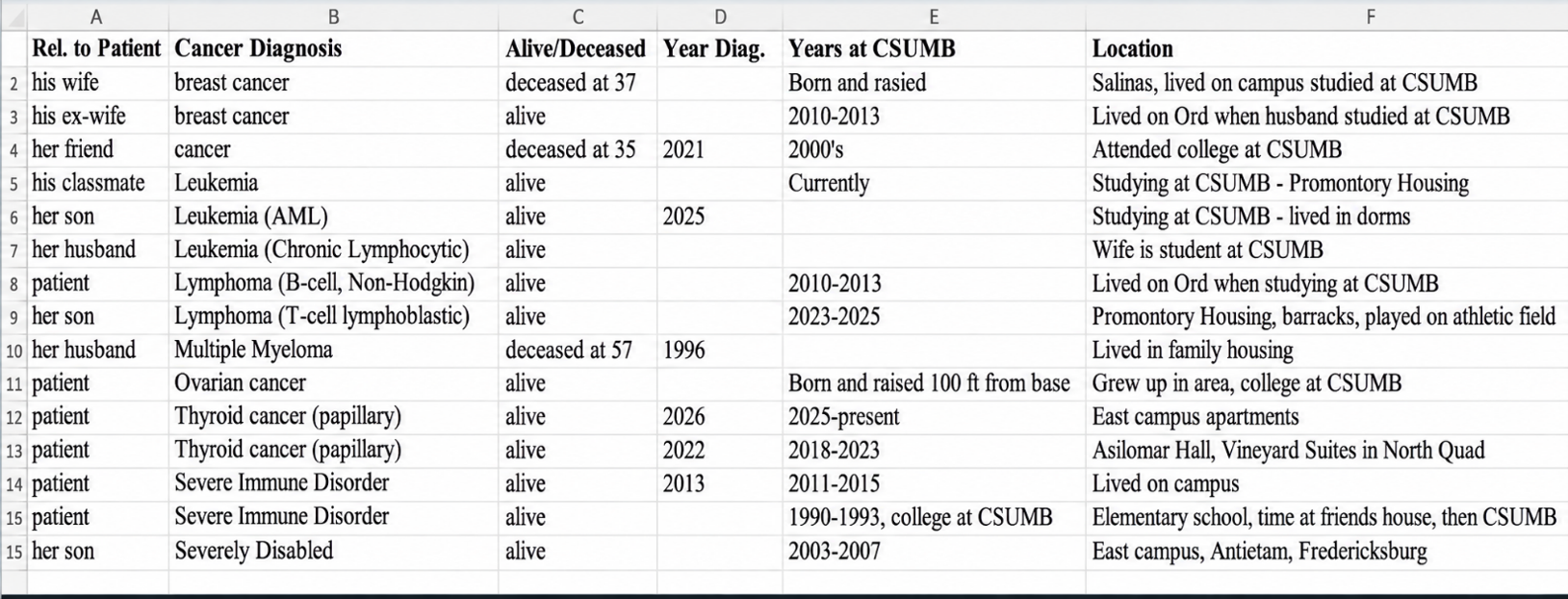
15 current or former students have reported
cancers and severe disease.
By Pat Elder
October 16, 2026

Students living in East Campus Housing, Promontory, and North Quad have reported severe life-threatening diseases.
Explore our database of more than 2,000 former Fort Ord residents who have illnesses or have died. For more information, contact info@fortordcontamination.org.
East Campus Housing Exposure Profile
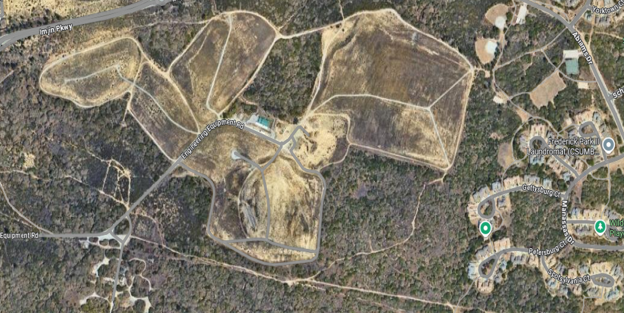
The highly toxic Operable Unit 2 Landfills are shown west of Petersburg, Gettysburg, Fredericksburg, and Antietam courts in the CSUMB East Housing area.
California State University Monterey Bay, (CSUMB) East Campus Housing, was built by the Army in the late 1980s and early 1990s just before the base officially closed in 1994. It was transferred directly to CSUMB to serve as the university’s East Campus residential housing. Because it was physically separated from the main base’s contaminated heavy vehicle maintenance yards, where North Quad and Promontory Housing are located today, the Army assumed the land was safe for housing. This neighborhood sits directly east and downwind of one of the base's most significant environmental hazards: the Operable Unit 2 (OU2) Landfills, a massive 150-acre industrial and municipal dumping ground.
The OU2 Landfills at the former Fort Ord remain federally owned and under the jurisdiction of the U.S. Army. The landfills represent a volatile hazard buried directly adjacent to campus housing. Decades of unlined military dumping have allowed cancer-causing chemicals like trichloroethylene (TCE), vinyl chloride, PFOS, and PFOA to seep into the earth. While much of the waste was buried in pits, the danger is dynamic and expanding: a massive, toxic groundwater plume travels persistently eastward, positioning itself directly underneath the CSUMB East Campus housing and surrounding student apartments. The most frightening threat to these college apartments is vapor intrusion. Because TCE and vinyl chloride are highly volatile organic compounds, they do not stay trapped in the soil or groundwater. Instead, they evaporate into toxic gases that migrate upward through the soil, silently seeping through concrete cracks and foundations into indoor living spaces. For students living just a few hundred feet from the landfill boundary, this creates an invisible trap where breathing the air in their own bedrooms potentially exposes them to a toxic stew of weaponized industrial solvents.
To combat this, the Army operates a landfill gas extraction system along the perimeter, but any operational gaps or system failures allow these invisible, odorless gases to seep into student housing. The critical point raised by scientific studies is that even a perfectly functioning landfill gas extraction system cannot guarantee absolute protection for nearby residential structures. The primary reasons engineering critics argue these systems are not 100% effective include high soil porosity and the possibility that indoor air pressure in student apartments can drop lower than the pressure in the surrounding soil.
Simultaneously, toxic PFAS particles from historical base firefighting foams migrate through the local water networks and can accumulate as secondary reservoirs in the surface soil and dust, which easily becomes airborne in the windy Monterey Bay climate.
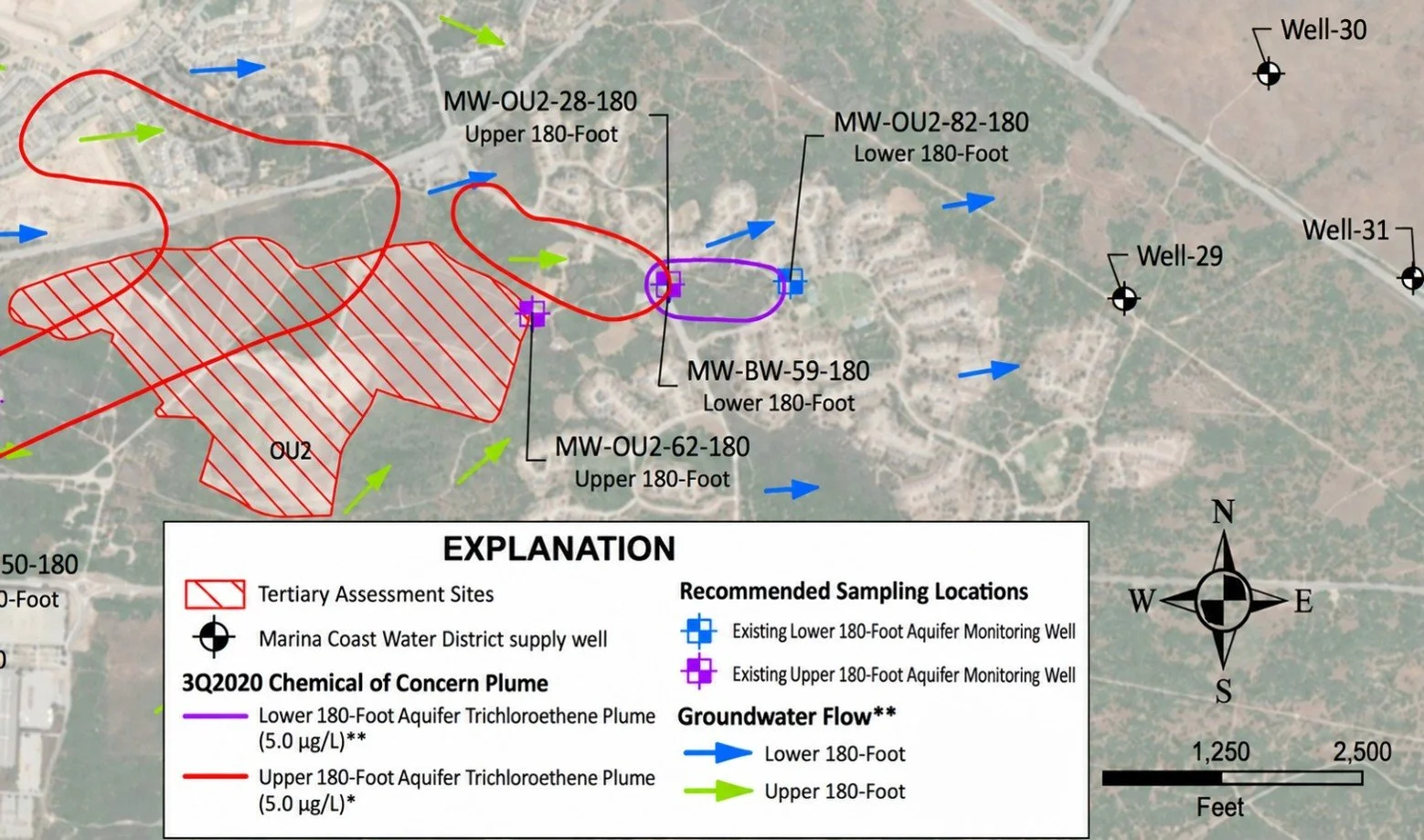
East Campus Housing is located immediately east of the OU2 landfill.
The map shows the third-quarter 2020 snapshot of TCE groundwater contamination around the OU2 landfill. Since then, the plumes have continued moving eastward while the Army continues to monitor and treat groundwater. The EPA reports that the plumes have shrunk since cleanup began, that 10.54 billion gallons of groundwater have been treated. US EPA, Slide 5 of 10. In 2020 PFOA and PFOS were found in some OU2 treatment-plant samples, and the California Regional Water Board reported that they were removed by the plant’s granular activated carbon (GAC) treatment and not detected in the effluent.
This documents removal of those two PFAS in those samples; it does not show that every PFAS compound was tested or account for the PFAS mass in all 10.54 billion gallons. GAC captures PFAS on the carbon; it does not destroy them in the water. The records don’t quantify the PFAS captured or establish what happened to the contaminated carbon filters. PFAS never breaks down.
The OU2 Record of Decision says the treated groundwater may be reused for irrigation of landscaped areas and playing fields, including off-site use subject to approval. A later 2006 decision (Page10) documents non-potable construction uses such as dust control and soil compaction, and describes water being routed to another treatment system and an infiltration gallery. It also says OU2 groundwater was treated for VOC removal—not for bacteria or other microorganisms.
To be clear, VOC removal means volatile organic compound removal. The top 5 VOC’s at CSUMB are TCE, Carbon Tetrachloride (CT), Vinyl Chloride (VC), Tetrachloroethylene (PCE), and Benzene.
The progress reported by the Army and the EPA on the encroaching plume does not answer the most pressing health questions. The 2020 map documents groundwater contamination; it does not show whether VOCs have entered indoor air in East Campus apartments. That question requires building-specific indoor-air and sub-slab testing.
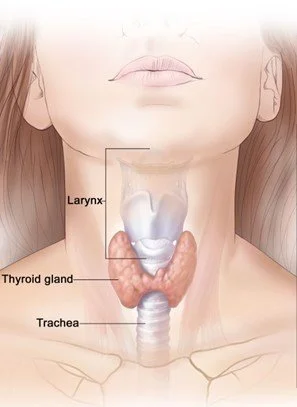
Many VOC’s, along with PFOS and PFOA, cause cancer. Once they enter the human body through chronic inhalation of vapor or dust, they mimic natural hormones and bind to the Thyroid-Stimulating Hormone Receptor. This blocks the thyroid gland from properly absorbing iodine, causing the hormone system to malfunction.
Over time, this cellular disruption forces the thyroid tissue to hyper-activate, leading to chronic inflammation, tissue nodules, and ultimately accelerating the growth of solid tumor malignancies like papillary thyroid cancer. The growing database of reported cancer diagnoses among young students highlights that these historical military plumes remain an active, modern concern for the campus community.
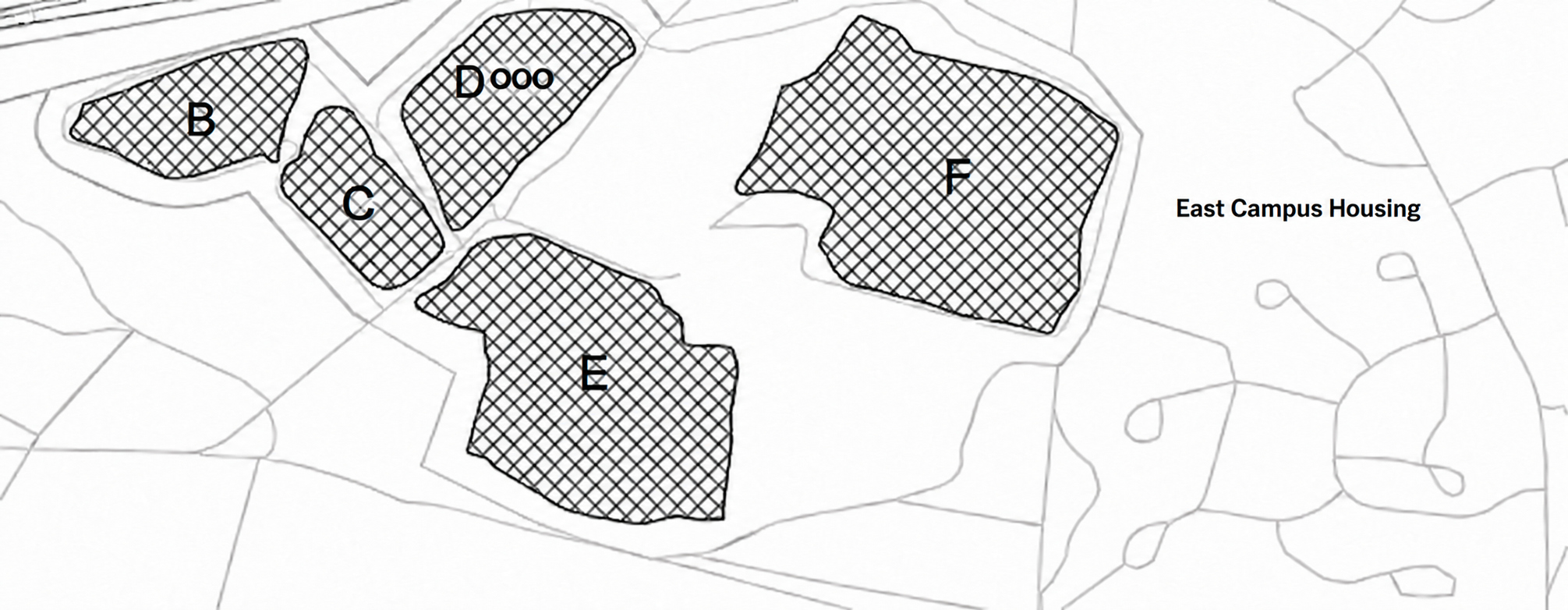
Because Area F sits furthest to the east, it represents the frontline of risk for CSUMB’s East Campus Housing.
Area F has historically generated a massive volume of landfill gas. The closest homes on Gettysburg Court sit a mere 368 feet from the property line. See the Landfill Gas Design and the Quality Assurance Project Plan.
At least two major fire incidents erupted within the landfill, concentrated in the Area E and Area F sectors in the 1970’s and 1980’s. The fires involved deeply buried layers of consolidated military refuse, including vehicle components and large stockpiles of rubber tactical tires. The fires were extinguished using firefighting foams with potentially frightening levels of PFAS. Fort Ord Cleanup P. 23
Professional assessments and fire science literature from the U.S. Fire Administration and the EPA establish that large, deep-seated rubber tire fires are among the most complex disasters to suppress, frequently requiring weeks, months, or even a year to extinguish. We don’t know how long it took to put out this fire but the result was a cataclysmic environmental event. One teaspoon of AFFF holds enough of the carcinogrns to poison the drinking water reservoir of a small city.
The mainstream press completely ignored the story. Local outlets have remained detached from the chemical stew at Fort Ord. Reporting, like Monterey County Now typically parrots the Army’s sanitized narrative, quoting local Base Realignment and Closure environmental coordinator, who assured the public that "compared to other DOD sites, the presence of PFAS is not that extensive" and that "the chemicals were not frequently used here and not in large quantities."
Because the central 120-acre footprint of the main landfill (Areas B through F) was later covered by the Army in a heavy plastic geomembrane cap to halt rainwater infiltration, the buried waste is technically sealed from above. However, the surrounding perimeter soil margins, access roads, and unpaved buffer zones directly adjacent to Area F remain exposed to the elements.
It is a deadly masquerade while students are living a few hundred feet away. The winds blow from west to east, sweeping across the unpaved landfill borders, kicking up loose, fine sand and dust particles that carry legacy surface-level PFAS. This dust is believed to travel directly across the short buffer zone into the old Schoonover Park neighborhood.
The Vineyard Suites: Living Above the Motor Pool’s Toxic Legacy
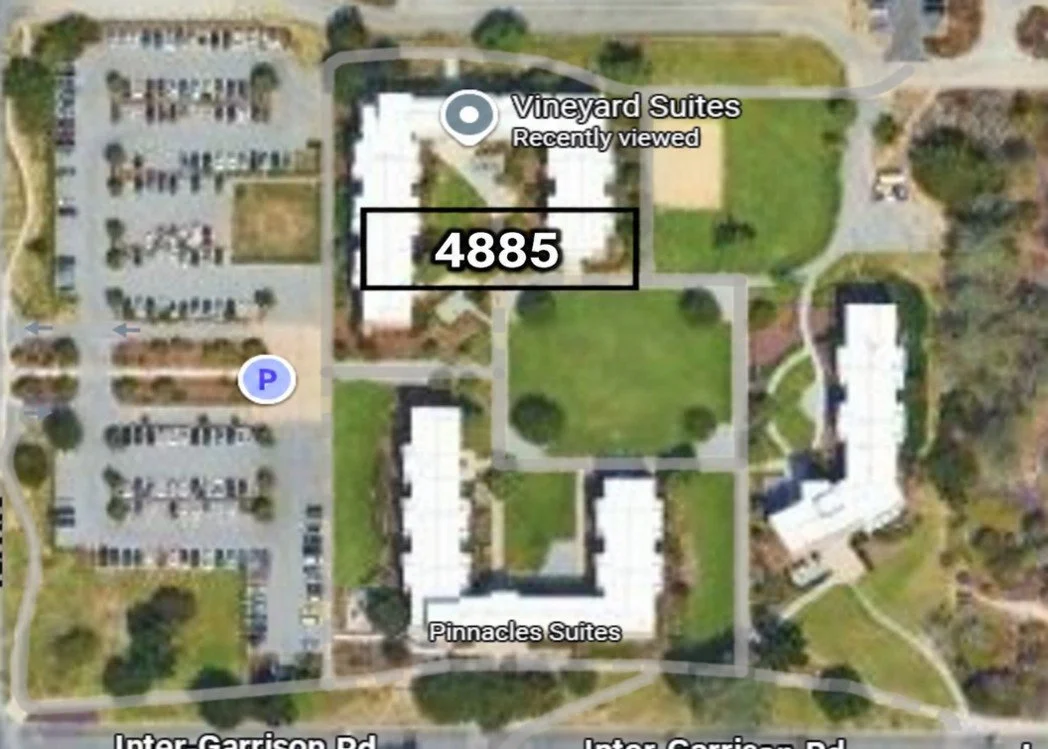
The Vineyard Suites dormitory was built over top of the US EPA Superfund National Priorities List Main Maintenance Center Building 4885 Motor Pool 707th Maintenance Battalion.
When you walk through the North Quad residential community today, areas like the Vineyard Suites look like modern, peaceful spaces designed for college life. However, historical base maps and environmental records reveal a highly industrial past directly beneath the manicured grass and gardens. The structural layouts of the Vineyard Suites intersect the historical footprint of Building 4885.
During the active military days of Fort Ord, this precise location served as the tactical hub for the 707th Maintenance Battalion, operating as a heavy industrial motor pool and a designated hazardous waste container storage yard. For decades, military mechanics used this parcel to process, repair, and maintain heavy tactical vehicles, leaving behind a deep sub-surface footprint of industrial chemicals.
The operations at the Building 4885 motor pool relied daily on a toxic chemical profile designed to strip grease and clean heavy vehicle parts. Mechanics routinely utilized massive quantities of VOCs, primarily Trichloroethylene (TCE), which served as standard military-issue industrial degreasers. Because these early operations lacked modern safety containment systems, these liquid solvents frequently drained directly into the ground. Over years of active base operations, these heavy solvents sank into the earth, migrating into the A-Aquifer (the shallow groundwater layer), leaving a persistent reservoir of toxic chemical compounds trapped in the regional water table underneath the housing corridor.
The Army says it’s safe so does the EPA, and the state of California.
The persistent public health threat to students living in the Vineyard Suites today stems from a severe gap in historical environmental regulations. When the Army executed its early cleanup phases in the mid-1990s to transition the land to the university, safety evaluations relied entirely on legacy ingestion-centric modeling. Regulators thirty years ago assumed that if a toxic chemical plume sat deep underground and students were not directly drinking the groundwater from a tap, the exposure risk was eliminated.
Unfortunately, this outdated framework completely ignored the primary exposure vector threatening modern indoor occupants: vapor intrusion. TCE is a volatile, vapor-forming solvent. This means it does not need to break down or degrade over decades to become a gas; it naturally evaporates and creates toxic vapors on its own. Because the sandy soil at Fort Ord is highly porous, it acts like an open highway, allowing underground gases to easily move along pressure and concentration gradients. When these rising vapors reach a building foundation, their entry depends heavily on the building's indoor environment.
When VOC vapors are present beneath a building, indoor air pressure that is lower than the pressure in the soil can draw soil gas through foundation cracks, gaps around utility lines, drains, and other openings. Exhaust fans, some ventilation systems, and temperature differences can contribute to this pressure difference. Whether that process is bringing VOCs into a particular dorm—and at what levels—requires building-specific testing.
Fort Ord activists were disappointed that ATSDR’s review did not include the historical vapor-intrusion assessment they requested. ATSDR limited its review to drinking-water exposures from 1985–1994 and said there were no indoor-air or sub-slab data from that period to estimate vapor-intrusion exposure. The federal government washed its hands of vapor intrusion and we’re seeing the consequences with all the sick kids.
The emerging data surrounding the Vineyard Suites suggests that this neighborhood is not an isolated incident, but rather one of several distinct centers of contamination across the CSUMB footprint.
Fort Ord Cleanup Map of the North Quad area
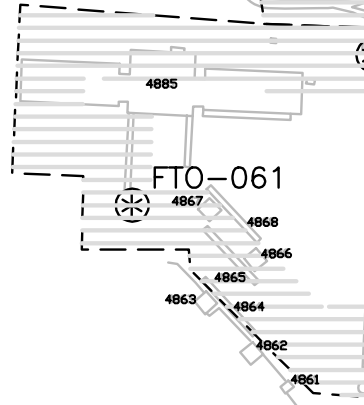
The four-digit numbers represent the Army buildings that have since been demolished.
Plate 5 - Department of the Army, 2002.
Buildings 4861 through 4868 functioned as the individual vehicle maintenance bays and mechanical workshops for the 707th Maintenance Battalion Motor Pool.
Building 4885 was heavily utilized for vehicle repairs, industrial overhauls, degreasing, and mechanical support.
FTO-061 (Hazardous Waste Storage Area): Located directly south of Building 4885, FTO-061 was a designated RCRA generator-only temporary hazardous waste container storage site and transfer station. Storage sites like this represent the epicenter of lethal toxicity.
Structures 4861 through 4868: These numbered buildings represent the dedicated vehicle wash racks, refueling zones, and drive-through maintenance bays directly servicing the armored and logistics fleets of the 707th Maintenance Battalion.
Because these buildings functioned as a major military motor pool and hazardous waste collection point, they are highly associated with the following toxic substances and environmental risks:
VOCs
Petroleum Hydrocarbons: Runoff from the wash racks and maintenance bays introduced heavy loads of oils, lubricants, fuels, Benzene, Toluene, Ethylbenzene, and Xylenes.
Heavy Metals & PCBs: Polychlorinated biphenyls (PCBs) from electrical equipment and hydraulic fluids, alongside heavy metals like lead, chromium, and cadmium from paints, and battery acids were common contaminants managed inside the FTO-061 storage lockers.
____________________________________________________________________________
Email from a mom, “I understand the Army used harmful chemicals, but how might this affect my daughter today?”
Drinking Water: We documented levels of carcinogenic PFOS and PFOA above federal limits in drinking water on campus.
Vapor Intrusion: This is a potent threat, especially in a dorm room built over top of the Fort Ord Mator Pool.
Soil Contact: Does your daughter play sports and come into contact with contaminated soils and dust?
__________________________________________________________________________________________________________
The Promontory Apartments: Living in the Industrial Crosshairs
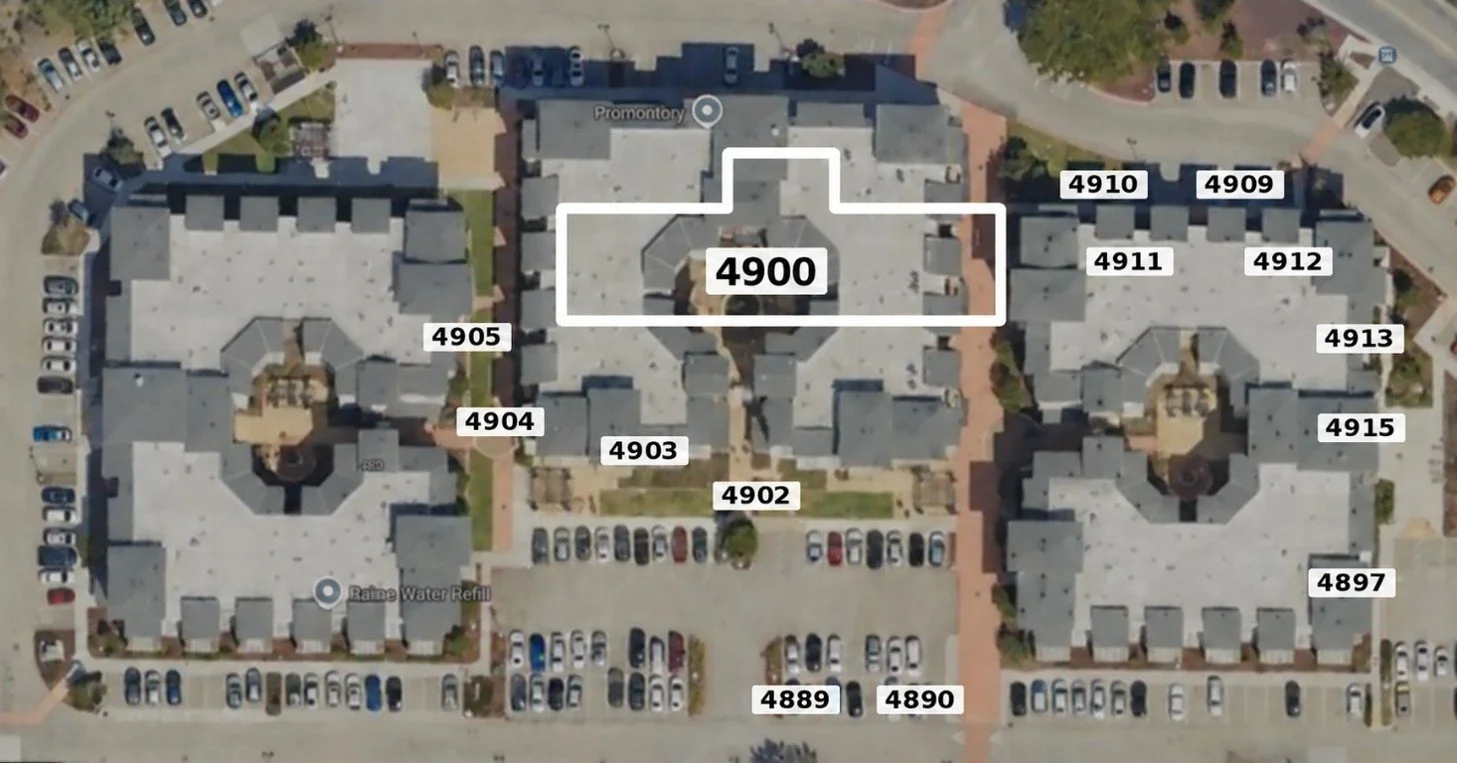
The Promontory Apartments are built directly over top of the US EPA Superfund National Priorities List Building 4900, and associated buildings with the former Maintenance and Heavy Equipment Logistics Center for the 707th Maintenance Battalion under the 7th Infantry Division (Light) Directorate of Logistics.
When you walk around The Promontory Apartments today, it feels like a modern student enclave. However, the historical cleanup maps reveal that this student housing complex was constructed right in the crosshairs of Fort Ord’s primary heavy industrial zone. The map shows that the footprint of the Promontory overlaps and sits immediately adjacent to a dense cluster of former military maintenance yards, chemical shops, and toxic waste dumping grounds. For decades, this exact parcel of land was subjected to high-volume chemical processing, unlined runoff drainage, and hazardous material storage, leaving a complex legacy of sub-surface contamination.
Allowing the Promontory Apartments to be built here represents an historic failure in modern urban planning.
The physical epicenter of this zone was Building 4900 which generated a continuous stream of toxic industrial waste. This was a high-intensity industrial facility characterized by the heavy use of TCE and PCE for engine block degreasing and automotive parts cleaning. These compounds remain highly volatile within the subsurface today.
TCE causes liver cancer and kidney cancer. Often, exposure will cause serious illness many years later. Sometimes it will manifest right away. Sometimes, cellular mutations can sit quietly in the body for 10, 20, or even 30 years. Chronic TCE inhalation is associated with Non-Hodgkin Lymphoma.
In the US, PCE is considered a “probable” human carcinogen, although the EU classifies it as a carcinogen. It is known to cause bladder cancer, multiple myeloma, and leukemias.
Fire department vehicles were routinely serviced at Promontory, resulting in Aqueous Film-Forming Foam (AFFF) containing PFAS being flushed into the environment during maintenance events. These cancer-causing chemicals, especially PFOS and PFOA, were spread as fill dirt throughout large areas of the campus. They lift into the air and are believed to settle in students’ lungs and in as dust in dorms.
Heavy metals like lead, hexavalent chromium (remember Erin Bockovich?) and cadmium were heavily used and discarded here. They are toxins that bioaccumulate in human bones. Chronic exposure causes neurological damage, it compromises bone marrow function and induces DNA mutations that heavily elevate the risk of kidney cancer, lung cancer, and bone malignancies.
The biological tragedy of environmental cancer is that young, healthy bodies are incredibly good at hiding severe cellular damage for years before a diagnosis suddenly breaks through. When a healthy student with a strong immune system is exposed to TCE and PCE, heavy metals like lead and hexavalent chromium, or "forever chemicals" like PFAS, their body works overtime to find and fix damaged DNA. Because their bodies are young and strong, they can feel energetic and completely fine despite a continuous chemical onslaught.
However, public health data from the CDC confirms that these toxins do not leave the body easily; instead, they slowly build up directly inside human bones and soft organs, staying trapped there for decades. Over time, this constant internal pressure exhausts the body’s natural defenses and weakens the bone marrow where immune cells are made. Eventually, this chronic exposure overwhelms the body's ability to repair itself—especially if a student already inherits a family vulnerability—causing their natural defense shield to give in and allowing cancers of the kidney, lung, bone, or thyroid to suddenly appear.
Operations near Promontory included small-arms repair, which introduced weapons-bluing chemical waste, historically containing concentrated nitrates, cyanides, selenium compounds, heavy metals, and spray-paint solvents into the local drainage footprint.
The immediate area housed an industrial vehicle wash rack, a huge oil-water separator, a diesel-powered steam-cleaning facility, an oil-storage building, a former paint shop, and a pesticide mixing building.
Let’s quickly survey the individual buildings and their distance from Promontory.
Building 4902 (Steam-Cleaning Wash Rack): Located a mere 200 feet south of Promontory, positioning this legacy petroleum and heavy metal runoff zone right outside the main residential doors.
Building 4903 (Diesel Steam Cleaner): Situated roughly 150 feet south-southwest of the entrance, placing historical fuel and solvent leakage points within immediate proximity to student walkways.
Building 4904 (Former Paint Shop): Positioned approximately 150 feet southwest of the residential footprint, highlighting a nearby historical source for volatile chemical thinners and paint overspray.
Building 4906 (Sewage Pump Station): Located about 400 feet west-southwest, explicitly noted in cleanup records for historical subsurface leaks that could migrate through the local soil matrix.
Pete's Pond : The eastern edge of this toxic, unlined 3.3-acre drainage basin sits directly at the edge of the north parking lot of the Promontory, meaning students park their cars over the boundary of the base’s primary industrial dumping pit. Toxic liquids generated by this heavy motor pool complex had to go somewhere, and for decades, it drained directly northwest into Pete’s Pond. When the military washed down vehicle bays or flushed out parts-cleaners, the chemical runoff swept into this open pit. During Superfund testing, investigators found the pond’s soil choked with buried metal drums, engine parts, automotive liquids, and crystallized tar.
"In nature, nothing exists alone." - Rachel Carson
Building 4912 Pesticide Storage Site: Located approximately 400 feet east of the front complex, anchoring the western edge of the historical Site 15 chemical storage zone. Fort Ord routinely utilized DDT. (dichlorodiphenyltrichloroethane).
Building 4913 PCB Storage Area: Positioned roughly 500 feet east-southeast of the complex, marking a localized source of persistent organic pollutants. PCBs present a unique global nightmare because they are almost impossible to destroy naturally and they magnify in danger as they move up the food chain.
Building 4897 (Agent Orange/Pesticide Mixing Room): Located approximately 500 feet southeast of the front entrance, documenting that high-toxicity tactical defoliants were handled, mixed, and transferred just a short walk from where students live today. Building 4897 contained an internal utility sink positioned directly next to an open French drain that dumped chemical rinse-water straight into the unlined soil beneath the building.
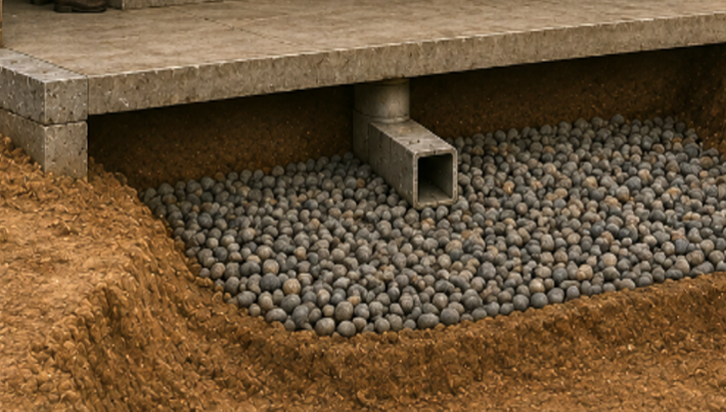
An artist’s rendition of a French drain.
Because of this design, decades of routine handling of highly persistent organochlorine pesticides—specifically: 2,4-D, 2,4,5 -T, Chlordane, DDT, Dieldrin, Lindane, Sevin, Baygon, Diazinon, Warfarin, and Malathion leached directly into the subsurface sands.
Although we have clearly documented the use of Agent Orange at CSUMB and the former Fort Ord, the Veterans Administration continues to deny disability compensation for veterans claiming exposure at Fort Ord. One Veteran Service Organization representative called it a “permanently closed Pandora’s Box of claims, here, and at hundred other bases.”
The dioxin 2,4,5-T (2,4,5-Trichlorophenoxyacetic acid) in Agent Orange may persist in buried soils for a century and may become airborne, especially during the Army’s regular prescribed burns. The toxin is known to cause severe birth defects.
Living above and alongside this concentrated chemical matrix introduces real questions regarding long-term safety. While several areas of topsoils were scraped and replaced in the 1990s, the removal was not uniform while the toxins were allowed to sink into the earth.
The transformation of Fort Ord’s primary heavy industrial zones into manicured student housing at California State University Monterey Bay represents a devastating failure of transparency and institutional oversight. From the unilateral dismantling of public oversight boards to a historical reliance on outdated safety models, authorities have systematically downplayed the dangers filtering beneath the surface. By restricting environmental reviews to legacy drinking water models and actively avoiding building-specific vapor monitoring, agencies have effectively left the primary exposure vector—toxic sub-slab vapor intrusion—completely unaddressed. Consequently, an entire community of young adults has been left entirely unaware that their bedrooms, dormitories, and parking lots sit directly atop unlined toxic dumping grounds, active landfill gas migrations, and former hazardous waste storage facilities.
The cost of this severe regulatory gap is no longer just a hypothetical debate; it is mapped in a tragic and growing cluster of 15 current and former students diagnosed with severe, life-threatening malignancies like leukemia and thyroid cancer. To continue placing young, healthy student bodies in the direct path of moving chemical plumes without air testing is an act of negligence.
How to research toxic contamination at CSUMB
Go here: https://www.fortordcleanup.com/
Click on Documents, then select Document Search
Select Search by Author
Under Author, drop down to select FOCAG, and click on Search.
Then, you can search for items like “OU2” by entering “Control F.”
FOCAG is the Fort Ord Community Advisory Group, a community group focused on the former base’s cleanup. It emerged after the Army disbanded the Fort Ord Restoration Advisory Board (RAB) in May 1999.
In March 2003, a petition with 78 signatures—most from CSUMB—asked for a Community Advisory Group. The California Department of Toxic Substances Control (DTSC) supported the idea and began organized it, cpeo.org Instead of accepting the narrative that the board was simply "ineffective," community activists and watchdog groups saw the move as an attempt by the Army to silence public oversight.
Works Cited
Agency for Toxic Substances and Disease Registry (ATSDR). Evaluation of Environmental Contamination and Potential Public Health Amends at Former Fort Ord (Drinking Water Exposure Evaluation 1985–1994). U.S. Department of Health and Human Services, 1996. ATSDR Public Health Assessment Portal.
California Regional Water Quality Control Board. Review of Per- and Polyfluoroalkyl Substances (PFAS) Detection and Granular Activated Carbon (GAC) Treatment Effluent at Operable Unit 2 (OU2) Landfill Treatment Plant. State of California, 2020. California Water Boards GeoTracker.
Cessna, Melissa. "Watchdog Group Digs Up Questions About the Fort Ord Cleanup." Monterey County NOW, 3 Sep. 2009. Monterey County NOW Digital Archive, www.montereycountynow.com/news/local_news/watchdog-group-digs-up-questions-about-the-fort-ord-cleanup/article_c00265a5-06bd-5a52-9bda-872bf3d6634b.html.
City of Marina. Resolution No. 2018-153: Approving the Alternative Transition Plan for the Fort Ord Reuse Authority (FORA) Land-Use-Control Transfers. City Council Records, 2018. City of Marina Document Center.
Department of the Army. "Army Disbands the Fort Ord RAB." Received by Restoration Advisory Board Participants, 12 May 1999. CPEO Military List Archive, www.cpeo.org/lists/military/1999/msg00144.html.
Department of the Army. Plate 5: Historical Industrial Footprint Map and Technical Installation Assessment of the 707th Maintenance Battalion Motor Pool and Facilities (Building 4885 to 4868). U.S. Army Directorate of Logistics, 2002. Fort Ord Document Library.
"Eight Former CSUMB Students or Spouses Report Cancer Diagnoses Near Fort Ord's Toxic Industrial Zone." Monterey Bay Matters, 16 Aug. 2026. Monterey Bay Matters Investigation.
Elder, Pat. "Evidence of Toxic Herbicide Use Including Agent Orange at Fort Ord, CA." Military Poisons, 5 Apr. 2024. Military Poisons Fort Ord Herbicide Report.
Fort Ord Reuse Authority (FORA). Fort Ord Land-Use-Control Report and Parcel Inventory for E8a.1.1.1 (APN 031-101-057) and E8a.2 (APN 031-101-067). FORA Board Archives, 2019. Fort Ord Reference Portal.
Monterey County Board of Supervisors. 2020 Resolution Reaffirming Post-FORA Property Transition and Designated Future Receivership Frameworks for the 164-Acre Landfill Site. County Records, 2020. Monterey County Legistar.
"PFAS at the Former Fort Ord: Vapor Intrusion Metrics at the Dunes Commercial Corridor (Sites 2 and 12)." Military Poisons, 27 Mar. 2025. Military Poisons Investigation.
"The Promontory: Living on the Edge of Fort Ord's Toxic Legacy." Military Poisons, 10 Aug. 2026. Military Poisons Promontory Analysis.
Trabbic-Pointer, Denise. Residential Areas of Concern at the Former Fort Ord Site: Technical Review and Data Gap Analysis. Sierra Club / Fort Ord Contamination Project, 2023. Residential Areas of Concern Final Report.
U.S. Army. Fort Ord Environmental Cleanup Portal. Host Agency Homepage, 2026, www.fortordcleanup.com/.
U.S. Army Corps of Engineers. Quality Assurance Project Plan, Former Fort Ord, California, Volume I, Appendix D, Revision 9: Landfill Gas Monitoring at Operable Unit 2. Prepared by Ahtna Global, LLC, Sept. 2024. Fort Ord Administrative Record Repository.
U.S. Army Corps of Engineers. Record of Decision (ROD) for Operable Unit 2 (OU2) Landfills Groundwater Remedy and 2006 Explanation of Significant Differences (ESD) for Non-Potable Water Reuse. Clean-up Project Office, 2006. Fort Ord Records of Decision.
U.S. Environmental Protection Agency (EPA). Former Fort Ord National Priorities List (NPL) Deletion/Remediation Review (Document ID: EPA-HQ-SFUND-1990-0010-0158). Regulations.gov Digital Archive, 2023. Regulations.gov Fort Ord Archive.
U.S. Environmental Protection Agency (EPA) Region IX. Fort Ord Environmental Cleanup Annual Report: Superfund Remediation Status, Volatile Organic Compound (VOC) Aquifer Plume Volume Evaluations, and GAC Efficiency. EPA, Nov. 2024. EPA Superfund Annual Report.
"The Use of Herbicides at Fort Ord." The Military Engineer, vol. 48, no. 322, 1956, pp. 210-212. The Military Engineer Archive.