By Pat Elder
May 13, 2026
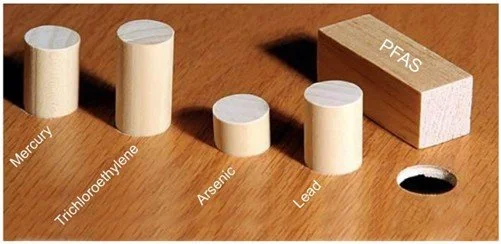
PFAS is a square peg outside the circular hole of sustainability.
PFAS doesn’t fit
In Ireland’s environmental policy framework, a “circular economy” refers to keeping materials such as soil, stone, waste, and industrial by-products in productive reuse for as long as possible rather than disposing of them in landfills. The goal is to reduce waste generation and conserve resources by allowing excavated materials from construction and redevelopment projects to be reused safely in other projects instead of being treated as waste requiring permanent disposal
Ireland’s push toward a ‘circular economy’ faces a profound challenge when encountering per-and poly fluoroalkyl substances, (PFAS), as these "forever chemicals" refuse to break down and cannot be treated like traditional toxins. Like a square peg in a round hole of sustainability, PFAS defy the standard logic of reclamation, rendering traditional waste management strategies ineffective. See the Position Paper 27 – Draft Guidance that takes a feeble step toward regulating this class of chemicals.
For conventional contaminants, this circular approach may work. Toxins like chlorinated solvents, petroleum contaminants, and heavy metals can often be reduced, contained, stabilized, destroyed, or remediated. The idea is that these materials can safely circulate rather than becoming waste requiring costly, permanent disposal.
PFAS fundamentally challenges this model because these chemicals are extraordinarily persistent, mobile, and capable of cycling repeatedly through air, water, sediments, wastewater, sludge, dust, landfills, food systems, and our bodies. In the PFAS context, a “circular economy” means recirculating the contamination. Soil excavated from one development project may later become fill at another site; contaminated sludge spread on farmland may re-enter the food chain; landfill leachate may contaminate groundwater and wastewater systems; incineration may redistribute PFAS through air emissions and ash. The phrase “circular economy” can therefore sound abstract or financial, but in this context it describes a very tangible question: Should these human carcinogens continue moving through the environment, or should they instead be isolated as waste? We all know the answer.
Sequestering these toxins will cost billions of Euros. There is no inexpensive or politically painless solution to PFAS contamination.
Ireland’s cancer incidence is the second highest in the EU, including cancers that have been associated in scientific literature with PFAS exposure, such as prostate, kidney, testicular, liver, and thyroid-related disease pathways. However, Ireland has not yet undertaken the kind of large-scale PFAS exposure epidemiology needed to determine the extent to which environmental PFAS contamination may be contributing to these disease trends.
The Irish EPA’s proposed PFAS framework underscores a fundamental regulatory tension that may be described as putting the “cart before the horse.” Under E.U. Regulation 27(1) regulators must decide whether excavated soil can safely re-enter the economy as reusable material rather than being treated as waste.
Yet the EPA itself acknowledges only nine PFAS compounds as having a high potential to occur in Irish soils, despite the fact that tens of thousands of PFAS compounds and precursors are known to exist. Even among those nine identified compounds, temporary assessment criteria are being proposed only for PFOS and PFOA because the agency argues that sufficient scientific data does not yet exist for most other PFAS compounds.
Several U.S. states and European countries have already developed soil, soil-leachate, groundwater migration, or grouped-PFAS criteria for compounds including PFNA, PFHxS, PFDA, PFHpA, PFHxA, PFBA, and others. The issue is therefore not the complete absence of regulatory precedent, but rather Ireland’s decision to adopt a more constrained approach while broader international models already exist.
Brownfield Soil
"Brownfield soil" is excavated from sites that have been previously developed, often for industrial or commercial purposes, and are known to be contaminated. This is distinct from "greenfield" soil, which is virgin soil from undeveloped land.
The challenge with brownfield soil is that it is laced with toxic substances of past industrial use. When we move that earth for new construction projects, we’re essentially deciding where those legacy contaminants, like heavy metals, hydrocarbons, or PFAS, end up.
When brownfield soil is designated as waste, it must be handled at authorized facilities where processes like soil washing, bioremediation, or thermal treatment may be used to strip contaminants like hydrocarbons and heavy metals. These industrial operations, combined with specialized transport and landfill, create multi-million euro price tags that can slow urban renewal projects. Even so, much of this work is do-able. This is not the case with PFAS.
Decisions being made today regarding the excavation, transport, reuse, storage, or disposal of contaminated brownfield soils shape the health of Irish communities and ecosystems long into the future. We must not lose track of the inescapable reality that PFAS do not break down in the environment and may pose risks to human health at extraordinarily low concentrations measured in parts per trillion rather than parts per billion. If soils contaminated with PFAS are moved from one location to another, the threat to health and the environment persists.
The EPA position paper raises profound questions about whether economic expediency is being prioritized over long-term environmental protection and precautionary public-health policy. The fear is that Ireland may now be institutionalizing a framework that normalizes the movement and “reuse” of PFAS-contaminated soils while precautionary public-health protections lag far behind the rapidly evolving science surrounding PFAS persistence, mobility, and toxicity.
Internationally, regulators have already developed broader PFAS soil criteria than those currently proposed in Ireland.
International Comparisons
Regulators in several European countries place significant emphasis not only on the concentration of PFAS present in soil itself, but also on how readily those chemicals can leach from soil into water. “Eluate” testing simulates this process by exposing contaminated soil to water under controlled laboratory conditions to estimate how much PFAS may migrate into groundwater, surface water, landfill leachate, or drinking-water supplies over time. This approach reflects a central concern in PFAS regulation: relatively modest concentrations in soil can still generate significant contamination in water because PFAS compounds are highly mobile and persistent.
Using leaching data reported by Jennifer Bräunig and colleagues at the Queensland Alliance for Environmental Health Sciences at the University of Queensland in Australia, (Bräunig et al.) soil containing approximately 1,280 μg/kg of PFOS generated eluate concentrations of roughly 212,000 ng/L (ppt).
This corresponds to a simplified proportional relationship of approximately 165.6 ng/L eluate per μg/kg PFOS in soil. This simplified relationship becomes important when examining the Irish framework.
Confusion in the Irish Program
The Irish EPA PFAS framework appears to operate on two overlapping systems: Ireland’s Interim Ambient Concentrations and the EU’s Regulation 27(1).
The Interim Ambient Concentrations establish compound-specific screening thresholds for PFOS and PFOA based on land use and ambient zone classifications.
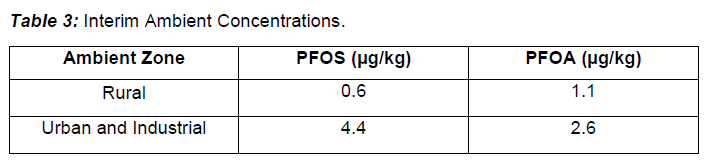
Micrograms per kilogram (μg/kg) is equivalent to parts per billion (ppb).
At the same time, the broader Regulation 27(1) of the European Union (Waste Directive) Regulations discusses reuse categories based on total PFAS concentration ranges, including thresholds:
If the soil contains ≤2 μg/kg (sum of PFAS) then the soil may be reused broadly, including on rural land.
If concentrations fall into the middle range, 2-50 μg/kg (sum of PFAS) the soil may still be reused, but only in urban or industrial settings, where exposure assumptions are considered less sensitive than agricultural or residential uses.
If levels are above: 50 μg/kg (sum of PFAS) the soil becomes regulated waste requiring disposal or treatment.
The relationship between these two systems remains somewhat unclear, particularly because Ireland has not yet established comprehensive soil criteria for the broader universe of PFAS compounds and precursors that may be present in contaminated soils.
Now, let’s apply Bräunig’s 165.6 ng/L eluate multiplier for each μg/kg PFOS in soil, based on the 4.4 μg/kg permitted by the Irish program. Applying this purely illustrative scaling approach to the Irish EPA’s interim ambient soil concentrations for PFOS (4.4 μg/kg) yields a theoretical eluate concentration of approximately 729 ng/L under broadly similar leaching conditions. While this does not represent a direct prediction of Irish groundwater concentrations, it illustrates how soil concentrations permitted under Ireland’s framework could potentially generate substantial PFOS migration into groundwater and leachate systems over time.
Although the European Union does not yet have a single uniform PFAS groundwater standard, it has adopted binding PFAS limits for drinking water, including 100 ng/L for the sum of 20 PFAS compounds and 20 ng/L for four PFAS compounds: PFOS, PFOA, PFHxS, and PFNA.
Regulation 27(1) – If PFOS concentrations alone approached 50 μg/kg under broadly similar leaching conditions, theoretical eluate concentrations could reach roughly 8,300 ng/L under broadly similar leaching conditions. Such comparisons are illustrative only, as leaching behavior varies substantially depending on soil chemistry, hydrology, and environmental conditions.
Nevertheless, the estimate is striking because it is hundreds of times higher than Germany’s commonly referenced 10 ng/L benchmark intended to protect groundwater from PFOS migration through soil.
This exercise illustrates an important principle: relatively modest PFOS concentrations measured in dry soil can produce high PFOS concentrations in water moving through the soil. This is precisely why Germany’s approach places major emphasis on eluate testing and the soil-to-groundwater pathway, rather than relying solely on bulk soil concentrations.
The Netherlands adopted a far more precautionary approach to PFAS-contaminated soil than the framework currently proposed in Ireland. Dutch regulators established temporary background values of 0.9 μg/kg for PFOS and 0.8 μg/kg for PFOA, concluding that soils below these thresholds may be moved without causing meaningful additional contamination or unacceptable risks to human health and ecosystems.
Back in 2019 PFAS restrictions disrupted major infrastructure projects and battle lines were drawn. Many scientists, environmental groups, and local officials continue to argue the Dutch PFAS soil thresholds are too permissive and are influenced heavily by economic pressure.
PFAS Soil value limits
PFAS Ireland Netherlands
PFOS 4.4 0.9
PFOA 2.6 0.8
=============
Ireland’s Unfinished map
Ireland’s proposed system relies in part on a still-unfinished national “by-product” map intended to determine which Interim Ambient Concentrations apply across different regions of the country.
From the EPA Report –
“It is the Agency’s intention to develop a map of Ireland to accompany these Interim Ambient Concentrations. The map will identify rural areas of Ireland versus urban and industrial areas. The map will aid notifiers in identifying the correct set of IACs to use. The application of the correct IACs based on ambient zones is to not worsen the current situation i.e. not add any contamination above existing ambient concentrations.”
The reliance on a to-be-developed “by-product” map makes the policy currently unworkable. Yet even without this unresolved mapping issue, the broader framework remains largely unworkable because of significant ambiguity surrounding how Interim Ambient Concentrations, ambient zones, and Regulation 27 reuse thresholds are intended to operate together.
The ambiguity surrounding Ireland’s framework becomes even more problematic when examining the actual chemistry and diversity of PFAS compounds likely to be present in contaminated soils.

It sounds wonderful, but there’s nothing “circular” about PFAS, aside from being a deadly merry-go-round.
From the EPA report:
“In relation to including PFAS in the guidance, specific PFAS compounds were selected as indicator substances for PFAS use in Ireland. Nine PFAS were identified which have a high potential to be present in Irish soils: PFOS, PFOA, PFNA, PFBA, PFDA, PFHpA, PFHxA, 6:2 FTS and 8:2 FTS. However, due to uncertainty and insufficient data available based on current studies, interim ambient concentrations (IAC) for PFOS and PFOA only are proposed to determine whether soil and stone can be used as by-product. These are the PFAS with the greatest amount of relevant data in literature and expected concentrations in soils are higher than for other PFAS.”
We have seen the regulations pertaining to PFOS and PFOA, but PFHxS ought to be included! Perfluoro Hexane Sulfonic Acid is one of the three "initial" PFAS listed under the Stockholm Convention for global elimination, alongside PFOS and PFOA. As PFOS production declined in the early 2000s, PFHxS became an increasingly important replacement and legacy co-contaminant in industrial uses. PFHxS is widely found in groundwater, soils, wildlife, and human blood, worldwide.
Although the Irish EPA says that insufficient data exists to establish broader PFAS soil criteria, internationally recognized analytical methods such as U.S. EPA Method 1633 provides laboratory analysis of 40 PFAS compounds across soil, biosolids, groundwater, sediment, and wastewater matrices. The issue therefore appears to be less about analytical impossibility and more about regulatory policy choices regarding which compounds Ireland has decided to test and regulate.
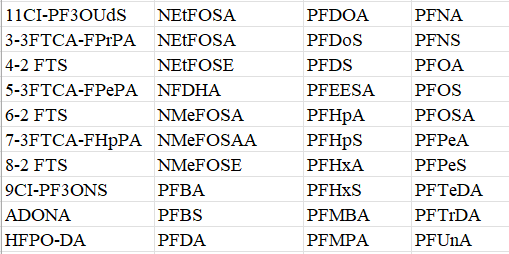
40 PFAS Compounds covered by EPA Method 1633
Toxicological and regulatory datasets for many additional PFAS compounds already exist beyond PFOS and PFOA, even if they are less mature or less comprehensive. These methodologies are quickly catching up. Limiting routine assessment primarily to PFOS and PFOA underrepresents the broader PFAS burden present in contaminated soils.
The distinction between testing and regulatory protocols raises an important policy question. Even though toxicological benchmarks are under development for some PFAS compounds, EPA 1633 easily allows regulators to measure and disclose the presence of 40 PFAS compounds in soil. Broader analytical data must be routinely generated and published as part of soil reuse assessments. Restricting routine reporting largely to PFOS and PFOA risks overlooking significant contamination from other PFAS compounds that may still be mobile, persistent, bioaccumulative, or capable of degrading into terminal compounds over time.
We learned from developments in the U.S. more than ten years ago that testing transparency is key. Without broad analytical transparency, communities cannot meaningfully evaluate the scale or composition of PFAS contamination.
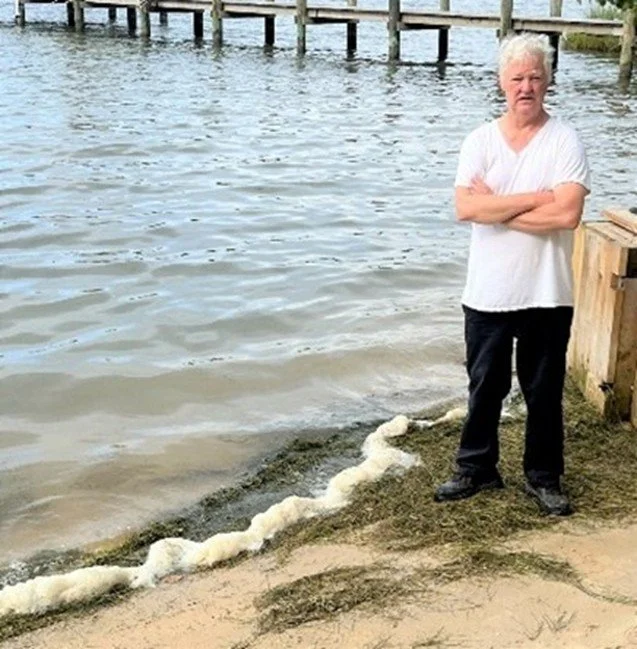
To further drive home the point, several years ago I tested the foam shown here that accumulates on my beach every day from the navy base 1,800 feet across the deep saltwater creek from my beach in Maryland. The Navy used PFAS in aqueous film-forming foam, (AFFF) in routine fire training exercises for 25 years. 23 separate PFAS compounds were present in the foam.
The significance of the sample lies in the breadth of the contamination profile itself. Twenty-three distinct PFAS compounds were identified in a single foam sample, underscoring that environmental PFAS contamination typically consists of complex mixtures rather than isolated chemicals such as PFOS or PFOA alone.
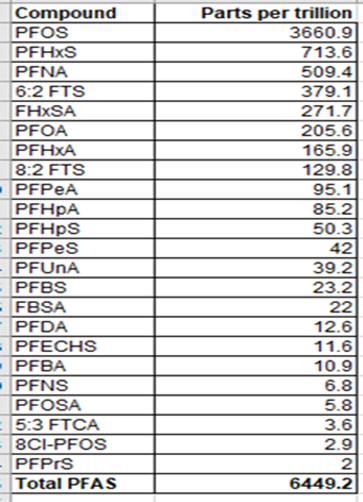
A Real-World PFAS Mixture
PFOS and PFOA together make up 60% of the total PFAS in the foam. Note the concentration of PFHxS that Ireland has chosen to ignore. - Cyclopure #4626; Order No. 9704.
Almost all of the PFAS compounds identified in the foam sample belong to chemical classes that have been associated in scientific literature with cancer and disease. While the toxicological evidence varies from compound to compound, the presence of such a complex mixtures in the foam, the environment, food, water, and our own blood underscores the difficulty of assuming any of these chemicals are benign.
Most of the other PFAS listed by the Irish EPA: PFNA, PFBA, PFDA, PFHpA, and PFHxA are terminal PFAS. A terminal PFAS compound is the "dead-end" version of the chemical that can no longer break down into anything else under natural environmental conditions. They remain environmentally persistent and biologically active indefinitely under natural environmental conditions.
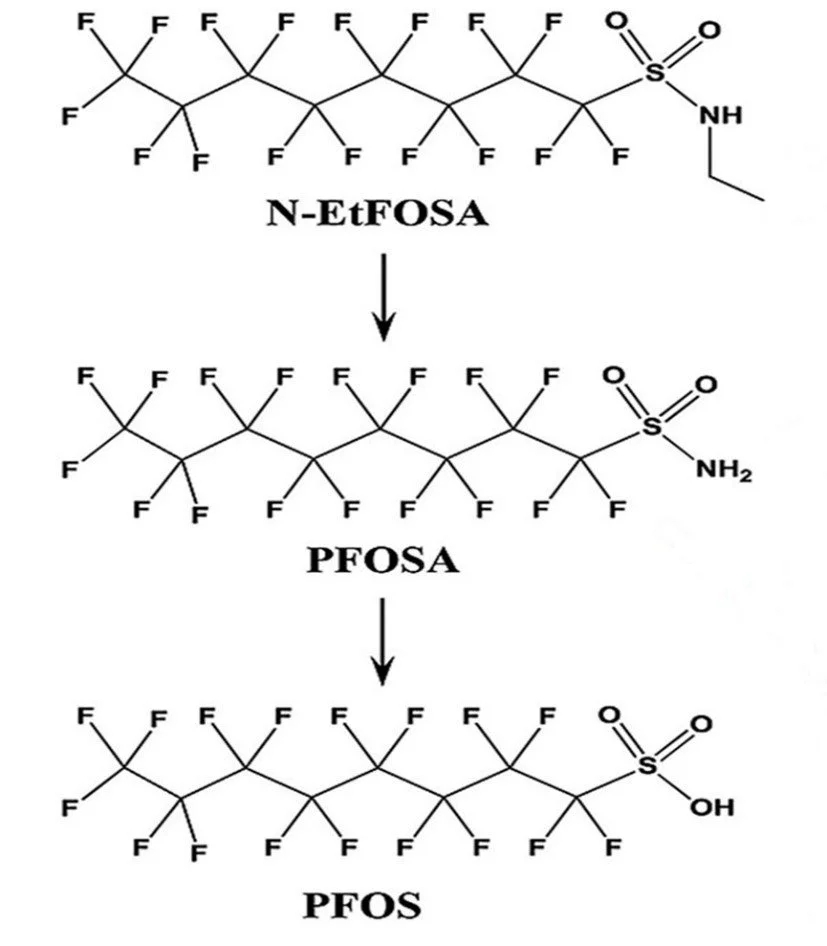
A PFAS precursor, on the other hand, is a chemical that transforms into more persistent PFAS compounds, such as PFOA or PFOS, through biological processes or environmental degradation. Ireland is not regulating precursors.
Humanity is threatened by these chemicals, and the Irish are slow to wake to the threat. It can't be overstated. Together, Icarus, Daedelus, Pandora and Domacles tell the tale.
The graphic below shows how the unregulated precursor N-EtFOSA, once in the environment, morphs into PFOSA, then transforms into terminal PFOS. N-EtFOSA has been used in fire-fighting foams, carpets, upholstery, and grease-resistant food packaging. Who knew?
Way back in Neanderthal times - 2018 - the Organisation for Economic Co-operation and Development (OECD) identified roughly 4,730 PFAS-related substances. By 2021, that number had exploded to 38,382 PFAS compounds after regulators adopted a much broader structural definition that includes chemicals containing at least one fully fluorinated methyl or methylene carbon atom.
The figure comes from the U.S. EPA’s CompTox Chemicals Dashboard and reflects the staggering size of the PFAS universe. A substantial majority of these compounds are believed to be precursor PFAS capable of degrading into more persistent terminal chemicals such as PFOS and PFOA. As analytical methods improve and chemical inventories expand, the number of identified PFAS compounds continues to grow.
Thousands of PFAS precursors are used across industries including semiconductor manufacturing, lithium-ion batteries, aerospace hydraulics, jet engines, military systems, satellites, telecommunications infrastructure, solar technologies, electric vehicles, and medical devices.
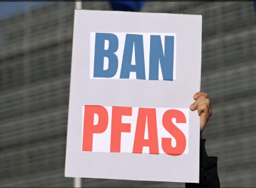
Any call for an immediate ban of all PFAS is nonsense. Weening them from our industrial lifeblood will take some time, while some uses are irreplaceable and will require suffocating regulation.
The problem is compounded by the sheer scale and chemical diversity of the PFAS universe itself. Regulators are attempting to build soil risk frameworks around a class of chemicals that has expanded from a few thousand recognized compounds to nearly 40,000 in just a few years. Against that backdrop, Ireland’s emerging PFAS guidance appears dangerously narrow and overly reliant on generalized assumptions.
The Dublin Airport data described below further illustrates why simplistic PFOS/PFOA-centered regulation is inadequate and why Ireland’s proposed soil reuse framework may underestimate real-world PFAS contamination.
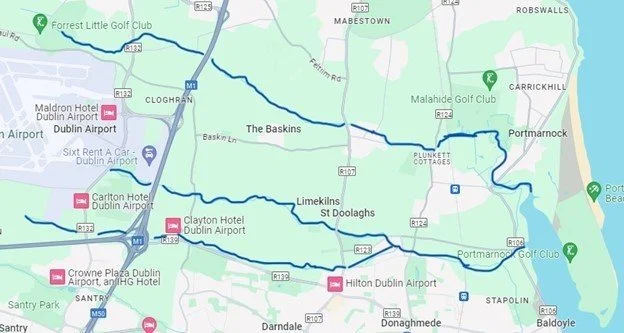
PFAS in Surface Water at Dublin Airport
Toxic PFAS runoff from Dublin Airport drains into the sea.
The EU has established an extraordinarily low environmental quality standard of 0.65 ng/L (ppt) for PFOS in inland surface waters. Monitoring conducted at Dublin Airport in 2021 documented PFOS concentrations at 1,409 ng/L, exceeded this benchmark by 2,168 times.
See APEC 5/North Runway/Airside Surface Water Monitoring Results Fehily Timoney, 2021*
PFAS ng/L (ppt)
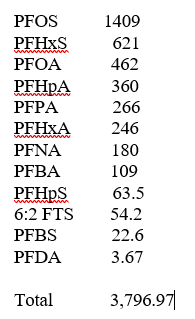
PFOS and PFOA together comprise 49.3% of the total. PFHxS has the second highest concentration and it is not recognized by the EPA.
Ireland’s PFAS Risk Categories
The complexity of the PFAS universe becomes especially important when examining how Ireland classifies supposedly “low-risk” soils for reuse.
For instance, agricultural soils may serve as long-term reservoirs for PFAS contamination through sewage sludge application and atmospheric deposition.
See Table 4 from the EPA’s position paper, below.
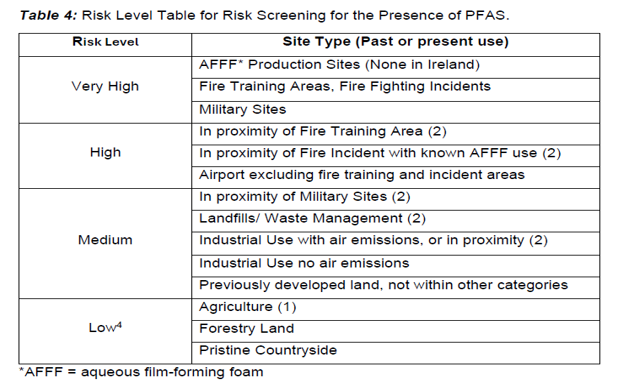
Low Risk Soils?
Testing is generally not required for Low-Risk soils, including agricultural fields. These materials are said to be suitable for reuse as a by-product anywhere above the water table.
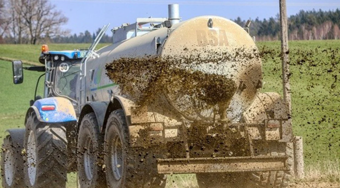
Spreading sewage sludge on a farm field.
Ireland apparently does not yet have a unified national registry or integrated tracking system showing where all sewage sludges have been spread. The lack of a national sludge register creates a regulatory gap that hampers tracking of potential PFAS accumulation in agricultural soils. Sludge is the semi-solid waste that is generated through the wastewater treatment process.
Sewage sludge, euphemistically rebranded as ‘biosolids’, is routinely spread on agricultural land. It is made up of about half human fecal matter. Human waste is an important PFAS pathway. Many PFAS compounds bioaccumulate and remain in the human body for years, while the body also continuously excretes a portion of them through urine, feces, sweat, menstrual blood and breast milk.
Sewage from industrial sources also contains PFAS, while the tainted sludge is routinely spread on farm fields. PFAS contaminates soil, crops, surface water, groundwater, and the air.
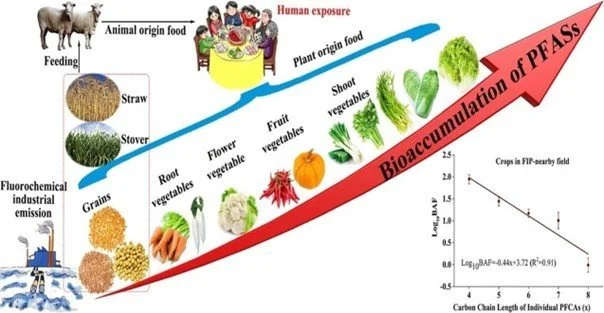
Leafy vegetables contain more PFAS than grains. Fish, Milk and Eggs typically contain more dangerous levels than the vegetables shown above. For fruits, strawberries and tomatoes are among the most dangerous.
In heavily contaminated regions like Dublin, consumption of freshwater fish and coastal seafood likely represent the dominant human PFAS exposure pathway, greatly exceeding exposure from drinking water.
It is alarming, but comprehensive PFAS drinking water monitoring results for Ireland are not readily accessible to the public. Mandatory nationwide PFAS monitoring under the EU Drinking Water Directive only came into force in January 2026.
From the EPA Position Paper:
“Caution is recommended where topsoil from agricultural land is used as a by-product, particularly at sites with a sensitive land use (i.e. residential development or parkland) and testing should be considered.”
Soils classified as “low risk” under Ireland’s framework may already present a significant threat. The report merely recommends “caution” where agricultural topsoil is reused as a by-product. Vague appeals to caution are inadequate in the absence of comprehensive testing and a national sludge tracking system. Under these conditions, all agricultural soils entering the reuse program should be tested for PFAS.
Carcinogenic soil supplements are available in hardware stores in Ireland.
Ireland allows soil conditioners and composts derived from treated sewage sludge to be sold in garden centers and hardware stores, even though the sludge is not treated for PFAS. In the United States, Bloom Soil Conditioner, a biosolids-based product sold in Washington, D.C. hardware stores, was found to contain approximately 223,000 parts per trillion of PFAS. Studies have shown that vegetables grown in PFAS-contaminated sludge-amended soils absorb and accumulate these chemicals.
Ireland, How does your garden grow?
Inadequate Screening Distances
The EPA paper says medium & high-risk soil (See Table 4 above) must be tested for PFAS. If soil is sourced from sites within 2 km from fire training areas, 500 m from known AFFF-use fire incidents, or 10 km from military, landfill, waste-management, or industrial sites with PFAS-related air emissions, then PFAS contamination should be considered as a potential risk during assessment of whether the soil can be reused as a “by-product” rather than treated as waste.
A 2 km screening radius around fire-training areas substantially underestimates the real environmental mobility of PFAS. We know that PFAS precursors and aerosolized firefighting foam components can travel far beyond 2 km through atmospheric transport, while groundwater plumes, surface-water pathways, contaminated sediments, dust, and biosolids redistribution may carry PFAS contamination many additional kilometers from the original source area over time.
In North Carolina, PFAS has been shown to travel 20 miles in groundwater.
The distances provided by the EPA are wishful thinking. They are fundamentally screening heuristics, not scientifically defensible outer boundaries of contamination.
PFAS contamination is not confined neatly to source zones. A USEPA study in North Carolina showed PFAS can travel in the air over 150 kilometers from a single emission source through atmospheric transport. While peak impacts often occur close to the facility, modeling shows that the vast majority of emitted mass can be carried long distances.
Atmospheric Transport and Incineration
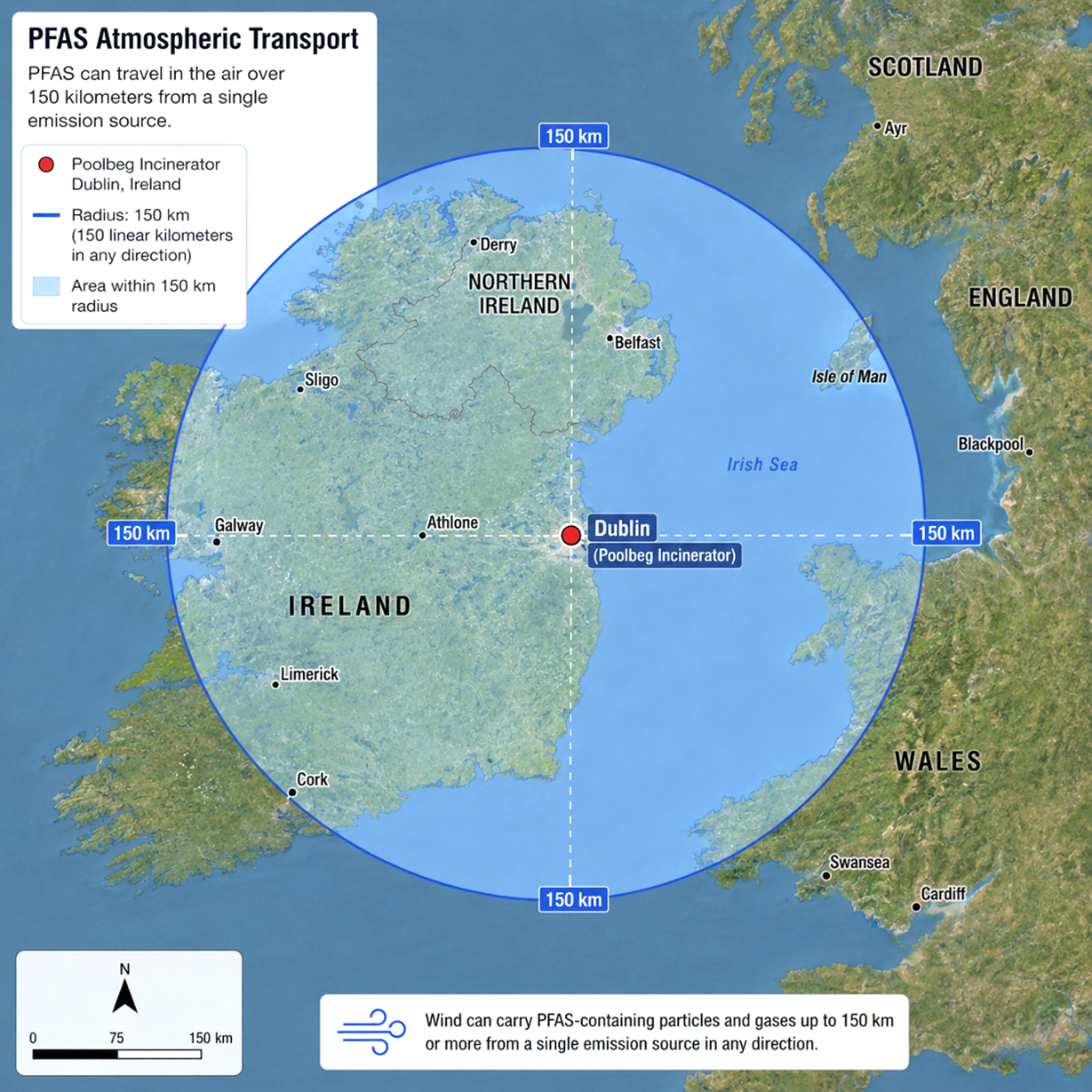
Cork, Galway, Derry, and Caernarfon, (Wales) are potentially within range of Poolbeg’s carcinogenic dust showers.
The Poolbeg Incinerator in Dublin is designed to process 600,000 tons of waste per year. It is not possible to say exactly how much of Poolbeg’s 600,000 tons of annual waste contains PFAS without waste-stream testing, which should be done and made public. The scientific literature indicates that PFAS is present across many ordinary municipal waste categories, meaning a substantial fraction of the residual waste burned at Poolbeg may contain PFAS or PFAS precursors. Burning doesn’t destroy PFAS.
We know that some PFAS compounds are capable of traveling 150 kilometers though long-range atmospheric transport. These are generally volatile precursor compounds such as fluorotelomer alcohols and fluorotelomer sulfonates, many of which later degrade into persistent terminal PFAS including PFOA, PFOS, and PFNA, after deposition into the environment. Give it time..
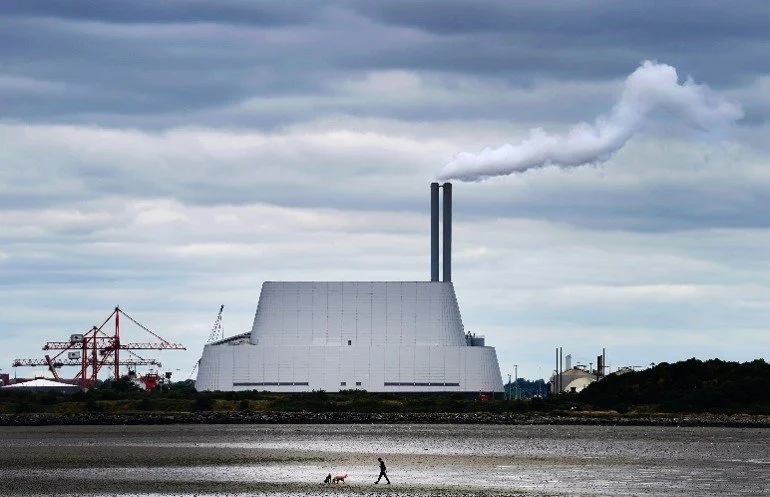
There’s no answer to PFAS blowin’ in the wind at the
Poolbeg Incinerator in Dublin.
According to the EPA,
“Brownfield soil and stone notifications are notified and assessed on a case-by-case basis. The notifier is required to submit evidence that the soil and stone is uncontaminated and equivalent to virgin soil or that it is geochemically appropriate for deposit at the use location for the specified use. To demonstrate this, notifiers provide solid soil laboratory testing results which the Agency assess against maximum concentrations and/ or trigger levels set out in Table 3.3 of the EPA, 2020 2020 Guidance on Waste Acceptance Criteria at authorised soil recovery facilities. Within the guidance, the country is divided into six different geochemical domains with different limits set for each domain. The limits against which to compare the laboratory results are chosen based on the domain within which the use location lies.”
The EPA’s 2020 Guidance does not contain PFAS standards. Instead, the new position paper overlays interim PFAS screening criteria onto a pre-existing soil reuse framework originally developed for more conventional contaminants and geochemical background conditions. This explains some of the regulatory tension surrounding PFAS, which behaves very differently from traditional soil contaminants addressed in earlier guidance.
Ireland’s Leachate Data
The Ireland Environmental Protection Agency sampled leachate for PFAS
in 2017 from 48 municipal solid waste landfill sites across Ireland. Landfill leachate is contaminated liquid formed when rainwater and decomposing waste percolate through garbage, picking up chemicals, metals, and pollutants before draining from a landfill. The PFAS results are staggering.
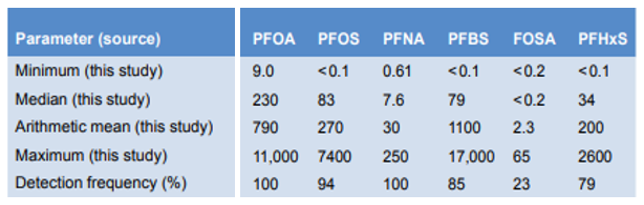
Table 3.1 from the Irish EPA Research Programme report Furthering Understanding of Emissions from Landfilled Waste Containing POP-BFRs and PFASs summarizes PFAS concentrations measured in landfill leachate from 48 sites across Ireland.
The maximum levels of the compounds in the leachate are frightening.
The average concentration for six selected PFAS compounds totaled 2,392.3 ng/L (ppt), with PFBS alone accounting for nearly half of the total measured PFAS burden.
The Averages
PFAS PPT % of total
PFOA 790 33.02
PFOS 270 11.29
PFNA 30 1.25
PFBS 1100 45.98
FOSA 2.3 .09
PFHxS 200 8.36
Total 2,392.3 100
The dominance of PFBS is especially notable because PFBS is not among the nine PFAS compounds identified in the recent Irish EPA interim soil framework as having a high potential to occur in Irish soils. PFBS, a short-chain replacement for PFOS, has been linked in toxicological and epidemiological studies to thyroid, liver, immune, metabolic, and developmental effects.
The Irish landfill leachate data also raises broader questions about the potential mobility of PFAS from contaminated soils into groundwater and wastewater systems.
PFAS leaching varies substantially depending on soil chemistry, hydrology, carbon content, and lots of other factors. Nevertheless, the comparison is useful because it illustrates how relatively low PFAS concentrations in soil may still generate significant contamination in leachate, groundwater, and wastewater systems over time.
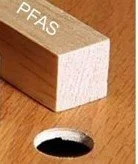
PFAS remains a square peg outside the circular hole of sustainability. Ireland’s proposed framework attempts to force a class of extraordinarily persistent, mobile, and biologically active chemicals into a regulatory system originally designed for contaminants that can be diluted, stabilized, remediated, or destroyed. PFAS behaves differently. These chemicals migrate through groundwater, circulate through wastewater and sludge, accumulate in food and wildlife, travel long distances through the atmosphere, and persist in the environment for centuries or longer. A “circular economy” built around PFAS-contaminated soil risks becoming a perpetual system for redistributing contamination rather than containing it.
The central weakness of Ireland’s emerging PFAS policy is not merely that the standards are lenient or incomplete. The deeper problem is that the framework appears built around assumptions that no longer match the rapidly evolving science of PFAS persistence, precursor transformation, atmospheric transport, and ultra-low-dose toxicity. While tens of thousands of PFAS compounds and precursors are now recognized internationally, Ireland’s proposal remains narrowly focused on two compounds, while allowing broad categories of “low-risk” soil to move through the environment with limited testing and significant regulatory ambiguity.
Other countries have already recognized that PFAS-contaminated soils require a more precautionary approach emphasizing groundwater migration, eluate behavior, and strict controls on reuse. Ireland, by contrast, appears to be constructing a system that normalizes the continued movement of PFAS through agricultural soils, redevelopment projects, landfill systems, wastewater infrastructure, and the food chain.
PFAS contamination is present in Irish landfill leachate, wastewater systems, atmospheric emissions, and agricultural soils receiving sludge applications. The question is whether the country will continue recirculating these forever chemicals under the language of sustainability, or finally acknowledge that these contaminants simply do not belong in a circular economy at all.
Please email your observations/ suggestions which will contribute to the development of guidance for brownfield soil and stone by-product material that will aid in the safe reuse of brownfield soil and stone material whilst demonstrating compliance with Regulation 27(1)(a)-(d). Email: byproduct@epa.ie
Email Title: Guidance for brownfield soil and stone by-product material – Category 5 Deadline: 5 p.m. Friday 15th May 2026
Here are suggested topics for your letter writing:
PFAS and the Circular Economy
Brownfield Soil and Regulation 27
Ireland’s Interim PFAS Framework
International Comparisons
Why PFAS Is Different
Precursors and the Expanding PFAS Universe
Inadequate Screening Distances
Atmospheric Transport and Incineration
Leachate and Groundwater Migration